
Turning the Tide – Healing Mahaweli and Kelani Rivers:
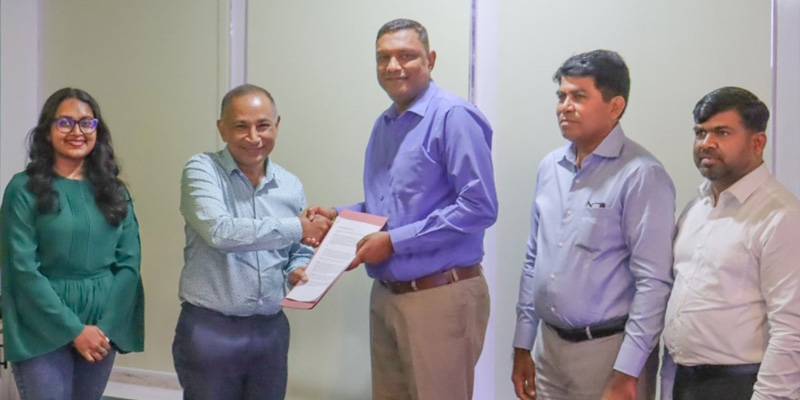
Determined to work to turn the tide one step- one acre at a time, The Wildlife and Nature Protection Society’s Preserving Land and Nature (PLANT) initiative announced a strategic land partnership with Hatton Plantations PLC (HPL) to restore riparian ecosystems along the source locations of two of Sri Lanka’s most critical river systems in the Central Highlands. Under a newly signed Memorandum of Understanding (MOU), PLANT and HPL will collaborate to reforest and rehabilitate riverbanks along 24 kilometers bordering the Kelani River at the Dickoya Estate and the Mahaweli River’s Hatton Oya tributary spanning the Abbotsleigh, Strathdon, Shannon, and Carolina estates.
These efforts will help stabilize slopes, reduce sedimentation, enhance biodiversity, and strengthen climate resilience in lower landscapes including some areas that sustained acute damage in the recent cyclonic disaster. This long-term effort aims at enhancing Forest corridor networks in the endemic-rich southwestern Sri Lanka.
A timely response to climate-driven impacts in the Central Highlands
Cyclone Ditwah recently struck Sri Lanka, unleashing extreme rainfall, floods, and landslides across the island. The Highlands suffered heavy casualties, massive infrastructure damage, and prolonged access constraints, while flooding of the Kelani and other rivers compounded the crisis. This event highlighted the vulnerability of hill-country communities to landslides and slope failures.
The Mahaweli River, Sri Lanka’s longest, historically supplies over 40% of the nation’s electricity and its basin spans nearly one-fifth of the island. Hatton Oya, a headwater tributary, drains steep montane terrain where riparian vegetation is critical for bank stability, sediment control, and buffering baseflow during intense precipitation. Scientists warn that Kelani Basin flood frequencies and damages are rising due to intensified rainfall and land-use pressures.